Affiliate Disclosure: This article contains affiliate links. NonToxicFinder (Solved Labs LLC) may earn commissions on qualifying purchases at no extra cost to you. We are not affiliated with, endorsed by, or partnered with the Environmental Working Group or the USDA.
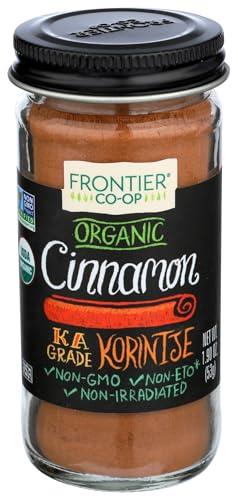
Yes, Frontier Co-op’s organic ground cinnamon is a good jar for baking, oatmeal and toast. The jar in the maker’s product photo carries the USDA Organic seal, and Frontier’s product page lists one ingredient: organic cinnamon. It is Korintje, a cassia cinnamon, not Ceylon.
Is It Really USDA Organic?
The jar label in Frontier’s product photo shows the round USDA Organic seal, and the maker’s page lists “Organic” among the product’s labels. The seal means the spice was grown and handled under the USDA National Organic Program, which the USDA Agricultural Marketing Service describes on its organic page. It says how the cinnamon was produced, not how much lead or coumarin a given lot contains.
Our guide to what the USDA Organic seal means explains the label and the certifier lookup.
What Kind of Cinnamon Is in the Jar?
Frontier names it Korintje cinnamon, botanical name Cinnamomum burmannii, grown at high altitude in Sumatra, Indonesia. Frontier says it belongs to the cassia family and calls it the cinnamon most often found in American kitchens, with a full, balanced, spicy flavor that suits apple pie and cinnamon rolls. It is not Ceylon (Cinnamomum verum), which Frontier describes on its organic ground Ceylon page as much milder and sweeter than cassia, from Sri Lanka.
| Cinnamon | Type (per Frontier) | Flavor (per Frontier) | Coumarin (per BfR and NCCIH) |
|---|---|---|---|
| Korintje, this jar | Cassia, Indonesia | Full, balanced, spicy | Higher |
| Vietnamese | Cassia | Intense, hot, spicy and sweet | Higher |
| Ceylon | C. verum, Sri Lanka | Milder, sweeter, floral | Trace amount |
Cassia vs Ceylon: What About Coumarin?
Coumarin is a naturally occurring compound that cassia cinnamon contains in higher amounts than Ceylon. The BfR applies a tolerable daily intake of 0.1 milligram of coumarin per kilogram of body weight. It calculates that an adult weighing 60 kilograms reaches that level with about 2 grams of cassia a day, and a small child weighing 15 kilograms with about 0.5 gram. BfR’s figures are for cassia of average coumarin content. It advises people who eat large amounts of cinnamon often to choose low-coumarin Ceylon, and says cassia should be eaten in moderation.
In the United States, the National Institutes of Health’s National Center for Complementary and Integrative Health says cassia cinnamon contains coumarin, which has been reported to interact with the liver, that consuming cassia does not usually supply enough coumarin to cause significant problems, and that prolonged use could be an issue for sensitive people such as those with liver disease. It says Ceylon may contain only a trace.
What About Lead in Ground Cinnamon?
Since 2024 the FDA has issued and updated public health alerts about ground cinnamon with elevated lead, starting with a March 2024 alert that followed its investigation into the 2023 cinnamon applesauce pouches. In its current alert the FDA advises consumers to throw away and not buy the listed products, notes they have a long shelf life so older jars may still be in kitchens, and says very young children are particularly vulnerable to lead exposure. The brands in the FDA’s alert tables include Marcum, Supreme Tradition, Swad, El Chilar, Wise Wife and others. Frontier Co-op is not among them in the 2024 or current alerts.
Frontier’s statement on lead in cinnamon, a PDF hosted on the Park Slope Food Coop’s site (foodcoop.com) rather than on Frontier’s own, says each lot of raw cinnamon must arrive with lead results from an accredited laboratory, that it follows New York State standards and American Spice Trade Association recommendations because there is no federal limit for lead in spices, and that it keeps testing incoming lots. It covers all Frontier cinnamon, sourced from Vietnam, Indonesia and Sri Lanka.
The FDA’s advice for any listed jar is to stop using it and throw it away. Our Santa Cruz Organic applesauce spotlight covers the pouch recalls that started the FDA’s cinnamon testing.
Which Jar Should You Buy?
The Amazon listing below is Frontier’s 1.9 ounce glass bottle, titled “Full Balanced Spicy Flavor,” which is Frontier’s own wording for Korintje. The title does not name the cinnamon type.
Frontier Co-op Organic Ground Cinnamon, 1.9 oz, on Amazon →
- Buy this jar for baking and sprinkling.
- Choose Ceylon if you eat cinnamon often and in large amounts, as the BfR advises. Frontier lists organic ground Ceylon on its cinnamon page, in 1 lb and smaller sizes.
- Skip it if you want a Ceylon flavor, or if you have liver disease and your clinician has told you to limit cassia.
Frontier’s storage guide says herbs and spices keep best in a dark, dry place at a fairly constant temperature below 70 degrees Fahrenheit, in an airtight container, and that its bottled spices carry a Best By date.
If the cinnamon is headed into kids’ snacks, our USDA Organic snack picks for kids show what to look for on those labels too.
Frequently Asked Questions
Is Frontier Co-op organic ground cinnamon USDA Organic?
Yes. The jar label in Frontier’s product photo shows the USDA Organic seal, and Frontier’s page lists the product as Organic with organic cinnamon as the only ingredient.
Is this cinnamon on the FDA’s lead alert?
No. Frontier Co-op is not among the brands in the FDA’s ground cinnamon alert tables.
Can I give it to a toddler?
The BfR says cassia cinnamon should be eaten in moderation and calculates that about 0.5 gram a day of average cassia reaches its coumarin limit for a small child weighing 15 kilograms; it advises people who often eat large amounts to choose Ceylon. The FDA says very young children are particularly vulnerable to lead, and Frontier is not on its ground cinnamon alerts.
This article contains affiliate links. NonToxicFinder (Solved Labs LLC) may earn commissions on qualifying purchases at no extra cost to you. Status, price and stock can change, so verify before purchase.