Affiliate Disclosure: This article contains affiliate links. NonToxicFinder (Solved Labs LLC) may earn commissions on qualifying purchases at no extra cost to you. We are not affiliated with, endorsed by, or partnered with the Environmental Working Group.
Sulfates in shampoo are the main cleansing agents: detergents such as sodium lauryl sulfate (SLS), sodium laureth sulfate (SLES), ammonium lauryl sulfate and sodium coco-sulfate that make the lather and lift oil and dirt off your hair and skin. They work well, but they are strong. Safety reviewers rate them as skin and eye irritants, the UK medicines regulator links SLS to skin reactions in children with eczema, and the “laureth” type can carry traces of 1,4-dioxane, a manufacturing byproduct the FDA monitors.[1, 3, 6] If your hair is dry, curly, bleached or dyed, or your skin is eczema-prone, a sulfate-free wash is worth trying. Our first pick is Annmarie Sweet Sunrise Shampoo; for body wash, Dr. Bronner’s Unscented Pure-Castile Soap.
What sulfates are, and what they are not
A shampoo or body wash is mostly water plus a blend of surfactants: molecules with one end that grabs oil and one end that dissolves in water, so grease rinses away. A typical shampoo has 10 to 30 ingredients, and how strongly it cleans depends on the type and amount of surfactant chosen for the hair type it is sold for.[9] Sulfates are the most common family of these cleansers. They are “anionic” (negatively charged) and they foam heavily, which is why a sulfate shampoo feels squeaky and lathers fast.
Sulfates are not sulfites. Sulfites are preservatives in some foods and wine, and a sulfite sensitivity says nothing about how you react to a sulfate shampoo.
SLS vs SLES vs sodium coco-sulfate
| Ingredient | What it is | Ethoxylated (1,4-dioxane possible)? | What reviewers found |
|---|---|---|---|
| Sodium lauryl sulfate (SLS), ammonium lauryl sulfate | A sulfated fatty alcohol, usually from coconut or palm oil. The strongest of the common sulfates. | No | Companies notifying the EU chemicals agency overwhelmingly classify pure SLS as a skin irritant; the MHRA calls it “a known skin irritant.”[5, 6] |
| Sodium laureth sulfate (SLES), ammonium laureth sulfate, sodium myreth sulfate, sodium pareth sulfate | The same molecule with a short ethylene-oxide chain added (the “eth” in the name). Milder on skin. | Yes | “A dermal and ocular irritant but not a sensitizer”; in practice “not regularly seen to be irritating because of the formulations in which they are used.”[3] |
| Sodium coco-sulfate | A blend of sulfates made from the whole range of coconut fatty acids, not just lauryl. Common in “natural” brands. | No | Assessed by the same panel as SLS’s relatives, on the strength of the SLS data.[4] |
So the practical difference is this: SLS is the harsher cleanser, SLES is gentler but is the one tied to 1,4-dioxane, and sodium coco-sulfate is a sulfate in every sense that matters to a shopper, even when the bottle says “coconut-derived.”
Are sulfates bad for your hair or skin?
For most people, a sulfate shampoo that is rinsed off is not a problem; the evidence is about irritation and dryness in people who are prone to it. Here is what the authorities and studies say.
- Skin and eyes. PubChem, the U.S. National Library of Medicine’s chemical database, reproduces the classifications companies notified to the European Chemicals Agency for SLS: 98.2% of reports list “causes skin irritation” and about half list “causes serious eye damage.”[5] Those figures describe the pure chemical, not a diluted shampoo. The Cosmetic Ingredient Review (CIR) panel, which is funded by the cosmetics industry, reached the same irritation finding for SLES and concluded these ingredients “should be used only when they can be formulated to be nonirritating.”[3]
- Eczema. The UK Medicines and Healthcare products Regulatory Agency reviewed aqueous cream, a moisturizer that contains SLS, after children with eczema reported stinging, burning, itching and redness. It said the cause may be the SLS and that the reactions came when the cream was left on the skin, not when it was used to wash, because a wash is largely rinsed away.[6] In a 2011 study in the British Journal of Dermatology, four weeks of that SLS-containing cream left on the forearm damaged the skin barrier of volunteers with a history of eczema.[7]
- Hair. A 2015 review in the International Journal of Trichology says anionic surfactants such as SLS and SLES are “very good in removing sebum and dirt” but are “strong cleaners” that “may cause an increase on electrical negative charges on the hair surface and increase frizz and friction.” Shampoo makers add milder secondary cleansers to offset that.[8]
None of these sources says sulfates harm hair growth or cause disease. People avoid sulfates mainly for comfort: less dryness, less frizz, fewer flare-ups.
The 1,4-dioxane question (SLES and other “eth” ingredients)
The FDA explains that 1,4-dioxane is not added to cosmetics. It forms as a byproduct when some detergents and foaming agents are made by ethoxylation, and those ingredients can be recognized by “PEG,” “polyethylene,” “polyoxyethylene,” “-eth-” or “-oxynol-” in the name. Because it is a contaminant, it never appears on the label.[1]
- How it is classified. The FDA page notes that the National Toxicology Program considers 1,4-dioxane “reasonably anticipated to be a human carcinogen” based on animal studies, and the EPA classifies it as “likely to be carcinogenic to humans,” with human evidence inadequate in both cases.[1]
- How much is in products. FDA surveys found the average fell from 50 ppm in 1981 to 19 ppm in 1997. In a 2008 survey, about 80% of products had none detectable, and the highest was 11.6 ppm. The EU’s Scientific Committee on Consumer Safety considers trace levels at or below 10 ppm acceptable, and the FDA says it would act if it found a health hazard.[1]
- The strictest U.S. limit. New York State caps 1,4-dioxane in personal care products, which its law defines to include shampoo, conditioner, soap and bath gels, at 2 ppm from December 31, 2022 and 1 ppm from December 31, 2023 (cosmetics: 10 ppm).[2]
If 1,4-dioxane is your concern, skipping the “laureth” and “myreth” sulfates helps, but SLS and sodium coco-sulfate are not ethoxylated, and other “PEG” and “-eth-” ingredients can carry it too.
Do sulfate-free shampoos clean as well, and who should switch?
Sulfate-free shampoos use milder cleansers (glucosides, glutamates, taurates, isethionates, betaines) or plain soap. The 2015 trichology review notes there is no published analysis comparing their cleansing power or effect on the hair shaft with sulfate shampoos.[8] In practice they lather less, and very oily hair or heavy styling product may need a second wash. By hair and skin type:
- Curly, coily, thick or dry hair: a good reason to switch. The American Academy of Dermatology (AAD) says dry, textured or curly hair needs shampoo less often, and that shampoo should go on the scalp rather than the whole length to avoid drying the hair.[10] The frizz-and-friction finding above applies most to these hair types.[8]
- Bleached, highlighted or dyed hair: worth switching. The same review calls heavily highlighted hair the most sensitive to strong “anti-residue” (deep-cleaning) shampoos.[8] Many people also switch hoping dye lasts longer; we found no published study that measures that.
- Eczema-prone or sensitive skin: worth switching, and pick a fragrance-free formula. The AAD advises using cleanser only when needed and making sure it is “mild and fragrance-free.”[11]
- Oily scalp, fine straight hair, lots of product: no need. A sulfate shampoo cleans these well, and the 2015 review suggests an occasional deep-cleaning sulfate shampoo to remove buildup from leave-in products.[8]
How to spot sulfates on a label
FDA rules require cosmetic ingredients to be listed in descending order of predominance (ingredients under 1% can go in any order at the end), so the first two or three names after water are the main cleansers.[12] Read that part of the list, not the front of the bottle.
Sulfates (any name ending in “sulfate”): sodium lauryl sulfate, sodium laureth sulfate, ammonium lauryl sulfate, ammonium laureth sulfate, sodium coco-sulfate, sodium myreth sulfate, TEA-lauryl sulfate, magnesium laureth sulfate.
Sulfonates (not sulfates, but similar strong anionic cleansers): sodium C14-16 olefin sulfonate, which the 2015 review lists alongside SLS as an anionic surfactant.[8] “Sulfate-free” labels often use it.
Milder cleansers you will see in sulfate-free formulas: decyl, lauryl and coco glucoside; sodium cocoyl glutamate; sodium methyl cocoyl taurate; sodium cocoyl isethionate; cocamidopropyl betaine and coco-betaine. Soap-based washes list saponified oils such as potassium cocoate or simply “coconut oil” with “potassium hydroxide.”
Popular natural shampoos show why the list matters. We read each maker’s page:
| Shampoo | Main cleansers on the maker’s list | Sulfate or sulfonate? |
|---|---|---|
| ATTITUDE shampoo for color-treated hair (EWG VERIFIED®) | Water, sodium coco-sulfate, glycerin, coco-glucoside | Sulfate |
| Avalon Organics Scalp Treatment Tea Tree (EWG VERIFIED®) | Aloe juice, water, sodium coco-sulfate | Sulfate |
| Desert Essence Tea Tree Replenishing | Water, coco-glucoside, sodium coco-sulfate | Sulfate (the maker also says not to use it on color-treated hair) |
| Everyone 3in1 Soap, Lavender + Aloe | Water, cocamidopropyl hydroxysultaine, sodium coco-sulfate | Sulfate |
| Andalou Naturals Argan Oil & Shea (“without the use of silicones or sulphates”) | Water, sodium C14-16 olefin sulfonate, aloe juice | Sulfonate |
| Babo Botanicals Sensitive Baby Shampoo & Wash (“Sulfate free” badge) | Water, sodium methyl cocoyl taurate, glycerin, sodium C14-16 olefin sulfonate | Sulfonate |
A certification is not a sulfate check either: the two EWG VERIFIED® shampoos above both contain sodium coco-sulfate. Our guide to EWG VERIFIED® shampoos explains why none of its picks is sulfate-free, and the Leaping Bunny certified shampoo guide marks which of its picks are.
Which sulfate-free shampoo or body wash to buy
Each pick rests on one basis: the maker’s full ingredient list for that exact product shows no sulfate and no sulfonate. That is a reading of the label, not a certification or a lab test.
| Product | Best for | Main cleansers | Scent | Buy |
|---|---|---|---|---|
| Annmarie Sweet Sunrise Shampoo | Dyed, curly, dry or sensitive scalps; most adults | Glucosides and glutamates (no soap) | Citrus and herb essential oils | Check price → |
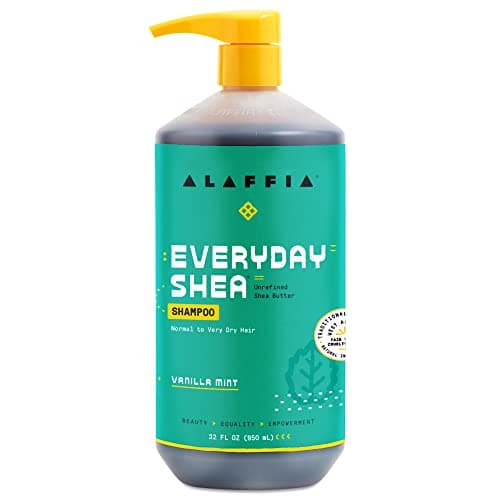
| Alaffia EveryDay Shea Shampoo, Vanilla Mint | Normal to dry hair, a large bottle | Shea and coconut soap, coco-betaine, decyl glucoside | Spearmint and vanilla | Check price → |
| Dr. Bronner’s Pure-Castile Liquid Soap, Unscented | Body wash, fragrance-free | Coconut, palm, olive and hemp oil soap | None | Check price → |
| Puracy Baby Shampoo & Body Wash, Citrus Grove (2-pack) | Kids, and adults who want a soap-free 2-in-1 | Amphoacetate, taurate, glucosides, glycinate | Grapefruit oil and fragrance | Check price → |
| Earth Mama Simply Non-Scents Castile Baby Wash | Babies, fragrance-free | Coconut and olive oil soap | None | Check price → |
Annmarie Sweet Sunrise Shampoo: the best all-round switch
Annmarie’s product page lists its cleansers first: “Water/Aqua/Eau, Sodium Lauryl Glucose Carboxylate, Lauryl Glucoside, Decyl Glucoside, Sodium Olivoyl Glutamate, Disodium Cocoyl Glutamate,” followed by aloe, rosemary, nettle and horsetail, and a long tail of plant oils. The word “lauryl” appears, but sodium lauryl glucose carboxylate is a sugar-based cleanser, not a sulfate. Because it uses neither sulfates nor soap, it is the one to choose for dyed, bleached or curly hair. It is scented with citrus, basil and coriander oils and contains almond, macadamia and hazelnut oils, so skip it if you have a nut allergy or need fragrance-free. Annmarie sells a matching conditioner; our full review of Sweet Sunrise Shampoo covers both.
Check Annmarie Sweet Sunrise Shampoo on Amazon →
Alaffia EveryDay Shea Shampoo: a big bottle for normal to dry hair
Alaffia’s product page says it is for “normal to dry hair” and lists: “Aqua/Water/Eau, Potassium Shea Butterate, Potassium Cocoate, Coco-Betaine, Decyl Glucoside, Butyrospermum Parkii (Shea) Leaf, Mentha Viridis (Spearmint) Oil, Limonene, Flavor (Aroma), Ethylhexylglycerin, Sodium Phytate, Phenoxyethanol, Potassium Hydroxide.” The first two cleansers are soaps made from shea butter and coconut oil, softened with two mild synthetic cleansers. The 2015 trichology review warns that soap leaves an alkaline residue that can combine with hard-water minerals and leave hair dull and tangled, so if your hair feels coated after a few washes, Annmarie is the better fit.[8] Use Alaffia’s conditioner or another after it.
Check Alaffia EveryDay Shea Shampoo on Amazon →
Dr. Bronner’s Unscented Pure-Castile Liquid Soap: the body wash
Dr. Bronner’s product page lists “Water, Organic Coconut Oil, Potassium Hydroxide, Organic Palm Oil, Organic Olive Oil, Organic Hemp Seed Oil, Organic Jojoba Wax, Citric Acid, Tocopherol” and says the potassium hydroxide does not remain once the oils become soap. It contains “no synthetic detergents or foaming agents,” and the unscented version has no fragrance or essential oil, which makes it the easiest pick for sensitive or eczema-prone skin. It is concentrated: use a little on a washcloth, and keep it out of eyes, as the label warns. Dr. Bronner’s own dilution guide says to follow a hair wash with diluted apple cider vinegar, so for hair, Annmarie is simpler. More fragrance-free and EWG VERIFIED® body washes are in our body wash guide.
Check Dr. Bronner’s Unscented on Amazon →
Puracy Baby Shampoo & Body Wash: a soap-free 2-in-1 for kids
Puracy’s product page lists the Citrus Grove ingredients as: “Purified water, Sodium lauroamphoacetate, Sodium methyl cocoyl taurate, Lauryl/myristyl glucoside, Cocamidopropyl hydroxysultaine, Sodium cocoyl glycinate, Citric acid, Vegetable glycerin, Caprylyl glycol, Ethylhexylglycerin, Caprylhydroxamic acid, Propanediol, Tetrasodium glutamate diacetate, Coco-glucoside, Glyceryl oleate, Pink grapefruit essential oil, Potassium sorbate, Sodium benzoate, Gluconolactone, Fragrance.” Puracy states “No sulfates (SLS, SLES, SCS),” says it is pH-balanced at 5.5, and adds that it “can be used by adults too.” It is the soap-free choice for a family bottle. The list ends with fragrance, so pick Earth Mama or Dr. Bronner’s for a fragrance-free routine.
Earth Mama Simply Non-Scents Castile Baby Wash: fragrance-free for babies
Earth Mama’s product page lists: “Water, Cocos nucifera (Coconut) oil, Olea europaea (Olive) fruit oil, Aloe barbadensis (Aloe) leaf juice, Potassium hydroxide, Vegetable glycerin, Butyrospermum parkii (Shea) butter, Calendula officinalis (Calendula) flower extract, Citric acid,” with the plant ingredients marked organic and the potassium hydroxide marked as not present in the final product. It is a castile soap, “free from” sulfates and synthetic fragrance per the maker, with no added essential oils, and it comes in a 6.27 fl oz bottle. For more baby options, see our baby body wash guide.
Sulfates are one of several ingredient families people check for in a shower routine. Our explainers on parabens and synthetic fragrance use the same label-reading approach.
Frequently asked questions
What is the difference between SLS and SLES?
SLES (sodium laureth sulfate) is SLS (sodium lauryl sulfate) with a short ethylene-oxide chain added. That makes SLES milder on skin, but the same ethoxylation step is what can leave trace 1,4-dioxane, which SLS does not carry. Both are rated as skin and eye irritants in concentrated form.
Is sodium coco-sulfate a sulfate?
Yes. It is a mix of sulfated coconut fatty alcohols, lauryl sulfate among them, and the Cosmetic Ingredient Review panel assessed it alongside SLS. A shampoo that lists it is not sulfate-free, whatever the front label says about coconut.
Does a sulfate-free label mean no sulfonates?
No. Sodium C14-16 olefin sulfonate is a different chemical class but a similarly strong anionic cleanser, and it is the main cleanser in some shampoos labeled free of sulfates. If you want a gentler wash, look for glucosides, glutamates, taurates or isethionates near the top of the list.
Does sulfate-free mean free of 1,4-dioxane?
Not necessarily. The FDA says 1,4-dioxane can come from any ethoxylated ingredient, including names with “PEG,” “-eth-” or “polyoxyethylene,” not only from SLES. Avoiding those names reduces the chance; New York’s 1 ppm limit for shampoo and body wash applies to products sold in that state.
What is the difference between sulfates and sulfites?
Sulfates are cleansers in shampoo and body wash. Sulfites are preservatives used in some foods and wine. They are different chemicals.
References
All sources were read on 2026-11-08.
- U.S. Food and Drug Administration. “1,4-Dioxane in Cosmetics: A Manufacturing Byproduct.” Content current as of March 3, 2022. Source
- New York State Department of Environmental Conservation. “1,4-Dioxane Limits for Household Cleansing, Personal Care and Cosmetic Products.” Source
- Robinson VC, Bergfeld WF, Belsito DV, et al. “Final report of the amended safety assessment of sodium laureth sulfate and related salts of sulfated ethoxylated alcohols.” International Journal of Toxicology, 2010;29(4 Suppl):151S-161S. Source
- Fiume M, Bergfeld WF, Belsito DV, et al. “Final report on the safety assessment of sodium cetearyl sulfate and related alkyl sulfates as used in cosmetics.” International Journal of Toxicology, 2010;29(3 Suppl):115S-132S. Source
- National Library of Medicine, PubChem. “Sodium dodecyl sulfate: GHS Classification” (company notifications to the ECHA C&L Inventory). Source
- Medicines and Healthcare products Regulatory Agency (UK). “Aqueous cream: may cause skin irritation.” Drug Safety Update, March 2013. Source
- Danby SG, Al-Enezi T, Sultan A, et al. “The effect of aqueous cream BP on the skin barrier in volunteers with a previous history of atopic dermatitis.” British Journal of Dermatology, 2011;165(2):329-334. Source
- Gavazzoni Dias MF. “Hair cosmetics: an overview.” International Journal of Trichology, 2015;7(1):2-15. Source
- Trüeb RM. “Shampoos: ingredients, efficacy and adverse effects.” Journal der Deutschen Dermatologischen Gesellschaft, 2007;5(5):356-365. Source
- American Academy of Dermatology. “Tips for healthy hair.” Last updated August 12, 2024. Source
- American Academy of Dermatology. “Atopic dermatitis: Self-care.” Source
- U.S. Food and Drug Administration. “Cosmetics Labeling Guide” (21 CFR 701.3). Content current as of February 25, 2022. Source
Affiliate Disclosure: This article contains affiliate links. NonToxicFinder (Solved Labs LLC) may earn commissions on qualifying purchases at no extra cost to you. We are not affiliated with, endorsed by, or partnered with the Environmental Working Group.