If you’ve spent any time looking up products on EWG’s website, you’ve probably encountered two different things: a number score (like “1” or “4”) and a green badge that says EWG VERIFIED®. These are not the same thing — and understanding the difference can change how you shop for your family. This guide explains both systems clearly, so you can use EWG’s tools with confidence.
Looking for products that have already passed EWG’s standards? Browse our roundups: Best EWG VERIFIED® Sunscreens for Kids in 2026 | Top-Rated Non-Toxic Baby Shampoos
What Is EWG Skin Deep®? The 1–10 Score System Explained
EWG Skin Deep® is a publicly searchable database of personal care products maintained by the Environmental Working Group. It rates products and individual ingredients on a 1–10 hazard scale, where:
- 1–2 = Low Hazard (green): The ingredient or product profile shows low evidence of concern across EWG’s evaluated health categories
- 3–6 = Moderate Concern (yellow): Some evidence of concern in one or more categories — not necessarily a reason to avoid, but worth knowing
- 7–10 = High Hazard (red): Significant evidence of concern; EWG recommends seeking alternatives, particularly for frequent use on babies and children
EWG’s scoring system evaluates ingredients against data from nearly 60 toxicity, regulatory, and study databases, including the National Toxicology Program, the European Commission’s cosmetic ingredient database, and peer-reviewed scientific literature. The resulting score reflects what EWG calls a “weight-of-evidence” approach — the score is not a simple average of ingredient scores, but a composite that weights the severity and breadth of concerns.
Importantly, a product’s Skin Deep score also carries a “data availability” rating — indicating whether scientists have robust evidence about an ingredient, or whether very little research exists. A low hazard score matters more when based on “robust” data than when it reflects a “limited” data situation (meaning the ingredient hasn’t been studied much either way).
Anyone can look up a product on EWG Skin Deep at ewg.org/skindeep — it’s free and covers tens of thousands of products.
What Is the EWG VERIFIED® Mark — and How Is It Different?
The EWG VERIFIED® mark is a separate, more rigorous program that EWG operates alongside Skin Deep. Think of it this way: Skin Deep is a public database anyone can use to look up scores. EWG VERIFIED® is a private certification program that manufacturers opt into.
To earn the EWG VERIFIED® mark, a product must meet all three of these requirements:
1. No ingredients on EWG’s “Unacceptable” list
EWG maintains a list of more than 200 ingredients it considers unacceptable for use in personal care products, based on evidence of health, ecotoxicity, or contamination concerns. EWG VERIFIED® products contain none of them.
2. Full ingredient disclosure to EWG
This is where EWG VERIFIED® goes beyond what appears on a product label. Manufacturers who seek VERIFIED status must disclose every ingredient — including individual fragrance components — directly to EWG. This matters because standard ingredient labeling in the U.S. allows “fragrance” or “parfum” to hide dozens of undisclosed chemicals. VERIFIED products have no hidden ingredients.
3. Score in the green (low-hazard) range on Skin Deep
EWG VERIFIED® products must meet the first two criteria and score in the 1–2 (low hazard) range on EWG Skin Deep. A good Skin Deep score alone doesn’t earn a product the VERIFIED mark — but a VERIFIED product will always have a good Skin Deep score.
The Key Distinction
A product can appear in the Skin Deep database with a score of 1 and NOT be EWG VERIFIED®. Why? Because Skin Deep scores are calculated from publicly available ingredient lists. If a manufacturer hasn’t gone through EWG’s VERIFIED program, their product hasn’t been independently reviewed, fragrance components haven’t been disclosed to EWG, and it hasn’t been confirmed to avoid every ingredient on EWG’s Unacceptable list.
In short:
- EWG Skin Deep score = public database rating based on label ingredients
- EWG VERIFIED® mark = manufacturer-verified certification; stricter standards; full transparency including fragrance
Which Products Carry the EWG VERIFIED® Mark?
The EWG VERIFIED® program covers personal care products (shampoos, sunscreens, lotions, cleaning products, and more). As of 2026, thousands of products across hundreds of brands carry the mark — but it still represents a small fraction of the total market.
Here are a few examples to illustrate what VERIFIED looks like in practice:
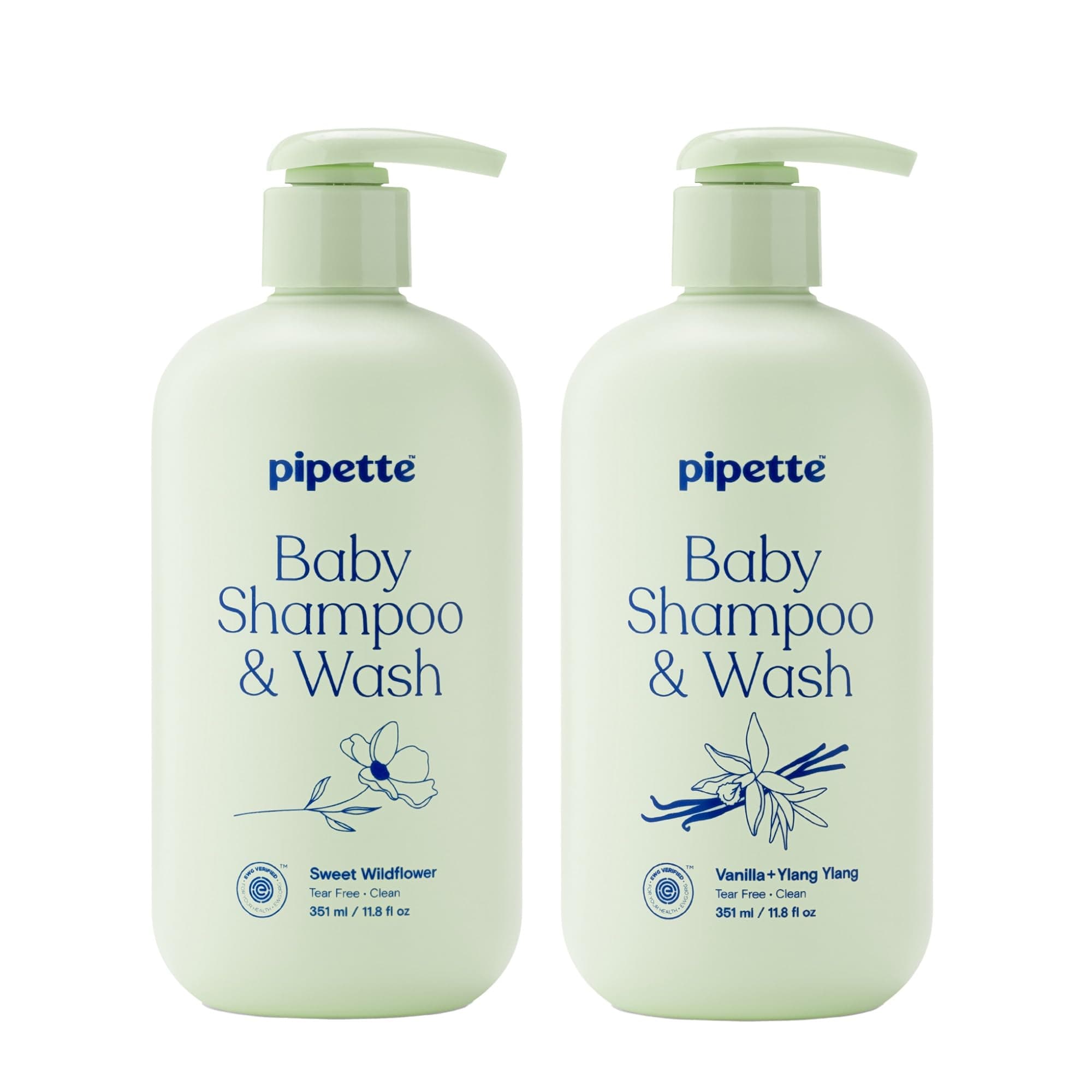
Pipette Baby Shampoo & Wash, Fragrance Free
This is a product that holds the EWG VERIFIED® mark. Pipette’s manufacturer submitted its full ingredient list — including fragrance (in this case, none) — to EWG, confirmed no Unacceptable list ingredients are present, and received EWG’s formal VERIFIED status. It also scores in EWG’s green range on Skin Deep.
Pipette Baby Shampoo & Wash Fragrance Free — Buy on Amazon ↗
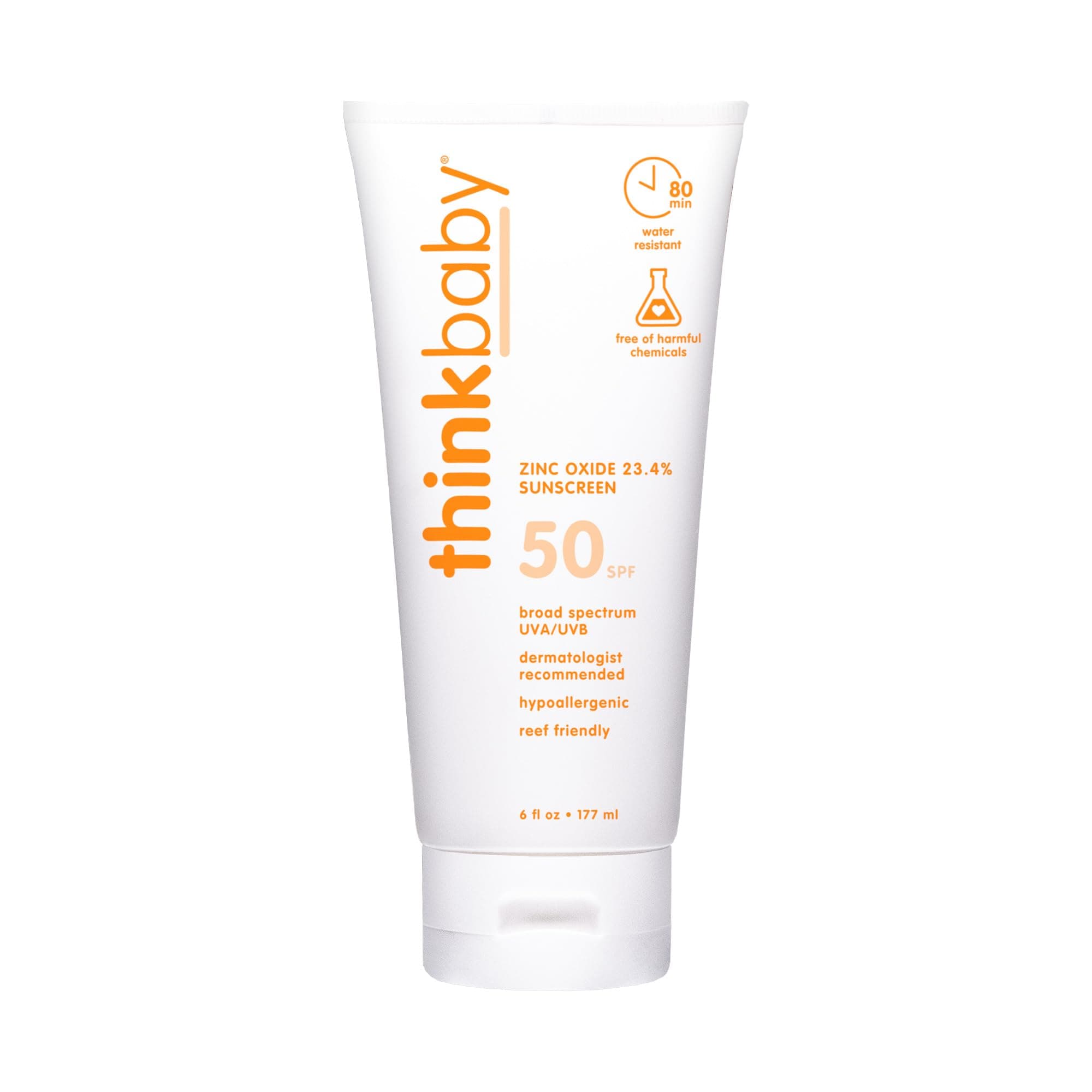
Thinkbaby Clear Zinc Sunscreen Lotion, SPF 50
An EWG VERIFIED® sunscreen. Zinc oxide as the sole active ingredient, no chemical UV filters, no oxybenzone, full ingredient transparency. A frequently cited example of the VERIFIED standard in the sunscreen category.
Thinkbaby Clear Zinc Sunscreen Lotion SPF 50 — Buy on Amazon ↗
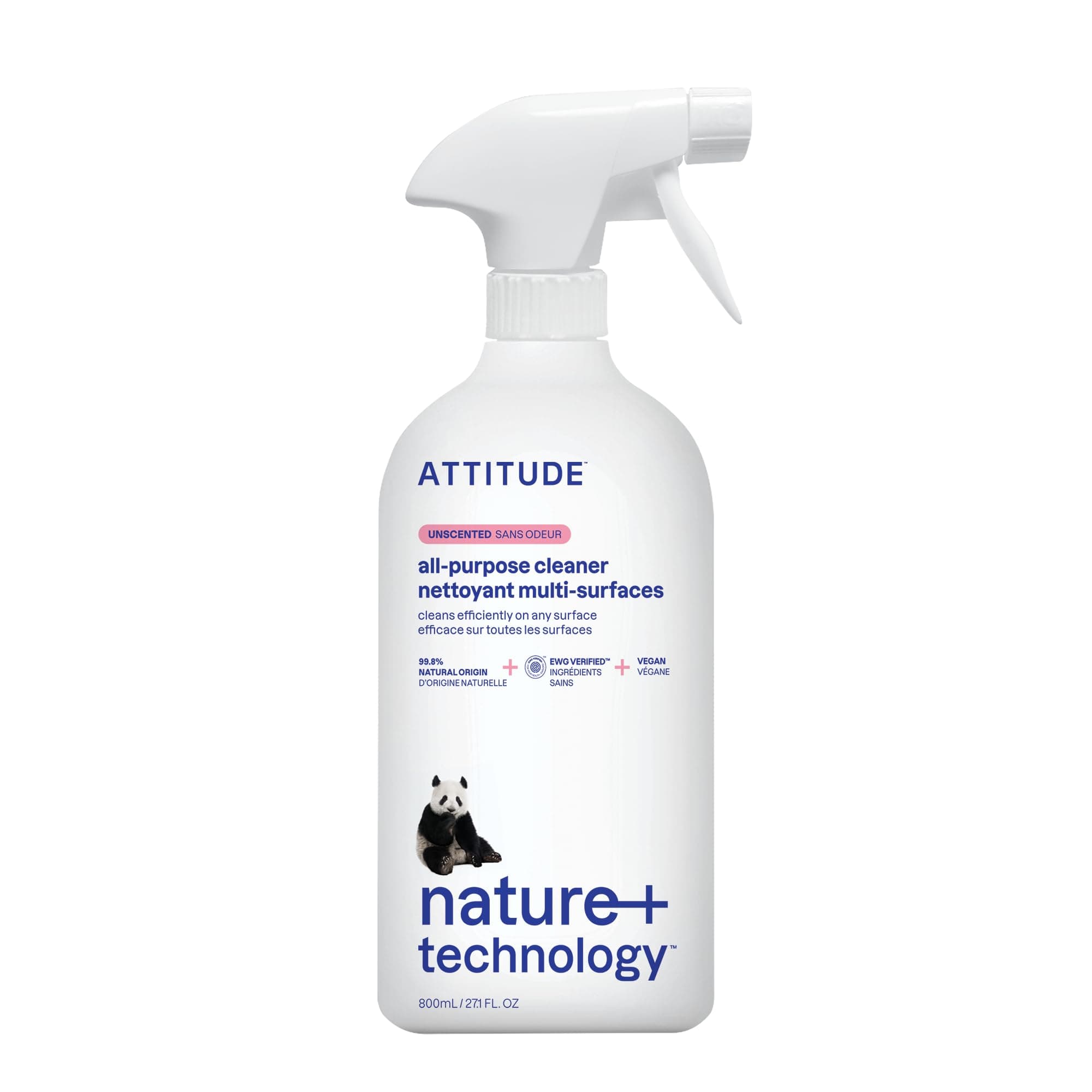
ATTITUDE All-Purpose Cleaner
ATTITUDE’s cleaning products are among the EWG VERIFIED® choices in the household cleaning category. Their formulations avoid the fragrances and surfactants that EWG rates as higher hazard in its Guide to Healthy Cleaning.
ATTITUDE All-Purpose Cleaner — Buy on Amazon ↗
How to Use Both Systems When Shopping
Here’s a practical approach for EWG-conscious shoppers:
Step 1: Start with EWG VERIFIED® when it’s available in the category you’re shopping. VERIFIED is the highest bar EWG sets and requires the least second-guessing.
Step 2: Use Skin Deep scores when VERIFIED isn’t available. Not every product category has robust EWG VERIFIED® options. For categories where VERIFIED is thin (for example, certain food categories, or specialty products), a Skin Deep score of 1–2 with “good” or “robust” data availability is the next best benchmark.
Step 3: Look at data availability. A product with a score of 1 but “limited” data availability should be viewed differently than one with a score of 1 and “robust” data. Limited data often means an ingredient is understudied, not that it’s been studied and found to be low hazard.
Step 4: Check the EWG Guide to Healthy Cleaning for household cleaning products. EWG maintains a separate cleaning products database (ewg.org/cleaners) with its own letter-grade rating system (A through F). EWG VERIFIED® cleaning products will receive the highest grades in that database.
Frequently Asked Questions
Q: If something isn’t EWG VERIFIED®, does that mean it’s bad?
Not necessarily. Plenty of products have excellent Skin Deep scores without holding the VERIFIED mark. The VERIFIED mark signals that a manufacturer has been more transparent and has been independently reviewed — but a score of 1 or 2 on Skin Deep, especially with robust data availability, still represents a meaningful low-hazard signal.
Q: Do EWG VERIFIED® products have to be re-verified?
Yes. EWG requires manufacturers to resubmit products for VERIFIED status if they change their formulation. If a product changes ingredients, it can lose the VERIFIED mark. Always look for the mark on the current product — not just based on historical information.
Q: Does EWG test products in a lab?
For Skin Deep scores, EWG evaluates products primarily based on ingredient lists and scientific literature — it is not typically conducting its own lab testing. For EWG VERIFIED® certification, manufacturers work directly with EWG, but the process is based on ingredient disclosure and formulation review rather than independent laboratory analysis of every batch.
Q: Does NonToxicFinder independently verify these products?
No. We are not affiliated with the Environmental Working Group and we do not conduct our own product testing or verification. Our articles reference EWG’s publicly available ratings and EWG’s own VERIFIED certification program.
EWG VERIFIED® covers sunscreen, personal care, and cleaning products. For example, see our guide to the top EWG VERIFIED® adult sunscreens. Note that tampons and pads are FDA-classified medical devices — EWG does not score individual menstrual products in Skin Deep, but has documented concerns about conventional tampon ingredients; see our organic period care guide for options that address EWG's research.