Affiliate Disclosure: This article contains affiliate links. NonToxicFinder (Solved Labs LLC) may earn commissions on qualifying purchases at no extra cost to you. We are not affiliated with, endorsed by, or partnered with the Environmental Working Group or MADE SAFE®.
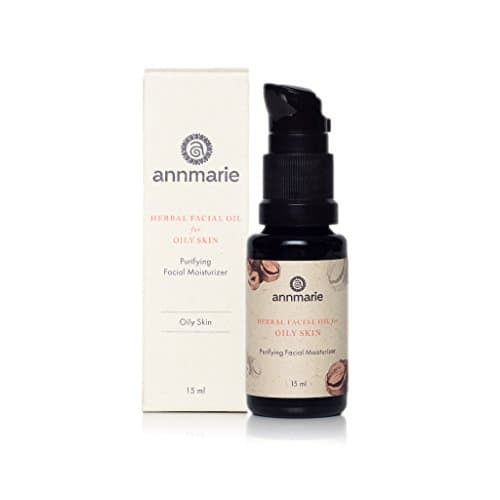
Oily skin still needs moisture, but dermatologists usually point it toward products labeled “oil free” and “noncomedogenic,” or toward a light gel. A face oil is the exception, not the default. If you like oils and want one made for oily skin, buy Annmarie Herbal Facial Oil for Oily Skin. It is a light grapeseed-based oil steeped in herbs, MADE SAFE’s own directory lists it as MADE SAFE® certified in every size, and one 15 ml bottle lasts one to two months at one or two pumps a day. Skip it if you are allergic to hazelnut, react to fragrance or break out easily.
See Annmarie Herbal Facial Oil for Oily Skin (15 ml) on Amazon →
Should You Use a Face Oil If Your Skin Is Oily?
You can, but it is not what dermatologists reach for first. The American Academy of Dermatology’s page on how to control oily skin says oily skin still needs moisturizer after cleansing, and advises choosing products labeled “oil free” and “noncomedogenic.” In the AAD’s guide to picking a moisturizer, the AAD warns that for some people with oily skin too much moisturizer can clog pores, and dermatologist Jason Clark suggests either skipping it or using a gel, which is lighter than other types.
A face oil cannot be oil free, and Annmarie does not label this one noncomedogenic. What Annmarie offers instead is a light formula: it calls the product “a balancing facial oil without the shiny face” and describes a “fast-absorbing grapeseed oil base” that is “lightly moisturizing.” The AAD also notes, on its page about moisturizer for acne-prone skin, that when skin gets dry the body makes more oil, which is why stripping oily skin bare does not help either.
So this oil makes sense for someone with oily but not breakout-prone skin who prefers the feel of an oil to a lotion, wants one short ingredient-screened step, and is happy to use a small amount. If you are prone to acne, follow the AAD and pick an oil-free, noncomedogenic moisturizer; our face moisturizer guide includes two gel moisturizers, from Biossance and KORA Organics.
What Is in the Herbal Facial Oil for Oily Skin
Annmarie publishes the full ingredient list on its product page. In order, it is:
- Herb-infused grapeseed oil: grape seed oil steeped with white willow bark, barberry root, basil, echinacea, goji berry, thyme, licorice root, meadowsweet, milk thistle, neem leaf, bitter orange peel, rosemary and green tea.
- Caprylic/capric triglyceride (MCT coconut oil).
- Hazelnut, passion fruit and black cumin seed oils.
- Sandalwood oil and clementine peel oil, the scent.
- Carrot seed oil, red raspberry extract, cranberry seed oil and buriti fruit oil.
- Tocopherol (vitamin E) and CO2 extracts of carrot, rosehip and rosemary.
Annmarie marks most of them as organically grown or wildcrafted. There is no water in the formula, so it is a pure oil, not an emulsion.
Why it is sold for oily skin comes down to the oils Annmarie chose. Both of its herbal facial oils start from herb-infused grapeseed oil. What sets the oily-skin version apart is hazelnut oil, which Annmarie calls a “lightweight nut oil” and its pick for oily skin, plus black cumin seed oil, neem and white willow bark. The normal and combination version uses sunflower, olive, coconut and tamanu oils instead. Annmarie describes white willow bark as “salicin-packed” and notes that the original aspirin came from it. It is a plant extract with no stated strength, not the salicylic acid the AAD names among ingredients that reduce oiliness.
Is the MADE SAFE® Certification Real and Current?
Yes. The MADE SAFE® directory entry names the brand (listed as Annmarie Skincare) and the Herbal Facial Oil for Oily Skin, files it under Oils, and says: “MADE SAFE® Certified in all currently available sizes / packaging options.” That covers the 15 ml bottle sold on Amazon, and Annmarie’s product page shows the same certification.
MADE SAFE® describes its screen on its certification standards page: products are “screened to validate that over 15,000 Banned / Restricted List substances have been avoided or constrained,” and companies must disclose all known added substances in a formula for review. It is a review of what goes into the bottle, not a test of how the oil performs on oily skin. Our explainer on what MADE SAFE certified means covers how the program works and how it differs from EWG VERIFIED®.
How to Apply It
Annmarie’s directions: use it morning and night, or as needed, on clean skin or over a serum. Pump one to two full pumps into your palm, dab it on your nose, chin, cheeks and forehead, and blend with gentle strokes.
- How much: start with one pump. Oily skin needs less, and you can add the second pump to dry patches only.
- Where it goes in your routine: cleanser, then any serum, then this oil. Annmarie calls it lightly moisturizing and its directions add nothing after it, so it replaces your moisturizer rather than going under one. A cream on top would be a second moisturizing layer that oily skin rarely needs.
- Morning: sunscreen still goes on after it. The AAD recommends a broad-spectrum sunscreen with SPF 30 or higher, and for breakout-prone skin one with zinc oxide or titanium dioxide and no fragrance or oils.
- Combination skin: Annmarie’s directions include the nose and forehead, but AAD dermatologist Rebecca Kazin tells combination-skin patients to moisturize the dry spots and skip the oily T-zone. If your T-zone shines by noon, keep the oil on your cheeks.
- Storage: if you buy several bottles, Annmarie suggests keeping the extras in the fridge.
For the difference between a serum and an oil, and some serums to put underneath, see our face serum picks.
How Long a 15 ml Bottle Lasts
Annmarie says a 15 ml bottle lasts approximately one to two months with daily use, and sets its own reorder reminder at 45 days. At one pump once a day you will be near the two-month end, and at two pumps twice a day nearer one month, so budget for six to twelve bottles a year. The current price is in the product box below. A 15 ml bottle is small next to an 8 oz bottle of plain jojoba oil, so what the price buys is the herbal formula and the MADE SAFE® listing, not volume.
Annmarie vs. Jojoba, a Clear-Skin Oil and a Gel Moisturizer
These are the options most people with oily skin are weighing. The table uses each maker’s own page, our own published spotlights and, for gels, the AAD’s description.
| Annmarie Herbal Facial Oil for Oily Skin | Annmarie Herbal Facial Oil for Normal & Combination Skin | True Botanicals Clear Pure Radiance Oil | Plain jojoba oil (SOULSATION) | Gel moisturizer | |
|---|---|---|---|---|---|
| Base | Herb-infused grapeseed oil, MCT, hazelnut, black cumin | Herb-infused grapeseed oil, sunflower, olive, coconut, tamanu | Jojoba, safflower, hemp, pumpkin and many other seed oils | Jojoba oil, one ingredient | Often water-based, per the AAD |
| Maker says it suits | Oily skin | All skin types, including sensitive | Oily and breakout-prone skin | Skin, hair and face, per the product name; no skin type named | The AAD’s suggestion for oily skin |
| Scent ingredients | Sandalwood, clementine | Bergamot, chamomile, melissa, sandalwood, jasmine | Lavandin, sandalwood and others; declares linalool, limonene, geraniol, coumarin | None | Varies by product |
| Nut or kernel oils | Hazelnut | None listed | Argan kernel oil | None | Varies by product |
| Directions | 1 to 2 pumps, AM/PM | 1 to 2 pumps, AM/PM | 3 to 8 drops, after serum and before cream | No set amount | After cleansing |
| Size and how long it lasts | 15 ml; 1 to 2 months daily | 15 ml; 1 to 2 months daily | 30 ml; about 2 months twice daily | 8 oz; no count given | Varies by product |
| Basis | MADE SAFE®, all sizes | MADE SAFE®, all sizes | MADE SAFE®, all sizes | EWG VERIFIED®, per the maker’s page | Varies by product |
- Pick the Annmarie oily-skin oil if your skin is oily all over, you want an oil and you are fine with a light essential-oil scent.
- Pick the Annmarie normal and combination oil if only your T-zone is oily and the rest of your face runs normal or dry. Its product page has the same directions and bottle life.
- Pick True Botanicals Clear if you want a larger bottle from a maker that sells its oil for breakout-prone skin and you are not bothered by a long list of scent ingredients. Our True Botanicals Clear Pure Radiance Oil spotlight covers it.
- Pick plain jojoba if you want one ingredient and no scent at all, and a big bottle that also covers body and hair. Our SOULSATION jojoba oil review covers it. It has none of the herbs Annmarie adds.
- Pick a gel moisturizer if you are acne-prone or your skin shines within an hour of any oil.
Who Should Skip It
- Anyone allergic to hazelnut or other tree nuts: hazelnut seed oil is the third ingredient on the list. The normal and combination oil has no nut oil.
- Anyone who reacts to fragrance: the scent comes from sandalwood and clementine peel oils, and the FDA’s page on allergens in cosmetics lists sandalwood oil among the fragrance allergens on the EU’s list. Annmarie’s Herbal Facial Oil for Sensitive Skin, also MADE SAFE® listed, has no added essential oils, though Annmarie makes that one for sensitive and dry skin rather than oily skin.
- Acne-prone skin: for the reasons in the first section, start with a gel moisturizer instead. If acne is the main concern, a dermatologist can tailor a routine.
- Anyone who dislikes herbal scents: Annmarie’s own review summary says a few buyers find the scent less appealing than its other oils, and that some say it may not suit every skin type.
The FDA says the best way to avoid a reaction to a cosmetic is to know what you are sensitive to and read the ingredient panel. Some cosmetic makers tell users to test a small amount first, the FDA notes, and that is a sensible habit with any new oil: try a little on one small area before using it all over. If you get a rash, itching or swelling, the FDA advises seeing your healthcare provider, and you can report the reaction to the FDA.
How to Choose a Face Oil for Oily Skin
- Decide whether you want an oil at all. Dermatologists start oily skin somewhere else (see the first section), so choose an oil because you prefer the feel, and use the smallest amount that works.
- Read the first few ingredients. Ingredients are listed in order, so the first few tell you what the oil mostly is. In the two oils sold for oily skin in the table above, grapeseed and MCT oils lead Annmarie’s and jojoba leads True Botanicals’. Butters and waxes near the top signal a richer product made for dry skin.
- Find the scent ingredients. Essential oils, the word “fragrance” and declared compounds such as linalool and limonene are the ones to look for if scent irritates you. The FDA notes there is no federal definition of “fragrance-free” or “for sensitive skin,” so the ingredient list tells you more than the front label.
- Check for nut oils if you have a nut allergy, and look for names such as hazelnut (Corylus avellana), almond and macadamia in the list.
- Look for a listing you can open. “Natural” and “clean” are not screens. A certifier’s directory entry for the exact product, like this oil’s MADE SAFE® listing, is something you can check yourself.
Annmarie’s Aloe Herb Cleanser, from the same brand, is one of the picks in our MADE SAFE certified face wash guide. For a weekly mask from the same brand, our Annmarie Coconut Honey Mask spotlight explains why the brand’s clay Charcoal Cacao Mask is the better match for oily skin, and the MADE SAFE certified eye cream page covers Annmarie’s Anti-Aging Eye Cream.
Frequently Asked Questions
Will a face oil make my oily skin oilier?
It can if you use too much, so the amount matters more than the format. Start with one pump once a day and add more only where your skin feels tight. If your face still shines an hour later, use less or apply it only at night.
Do I put face oil before or after moisturizer?
With this oil, neither: Annmarie’s directions put it on clean skin or over serum and add nothing after it, so it takes the place of your moisturizer. True Botanicals asks for its Clear oil to go before a cream, so follow each maker’s directions. On oily skin, one light moisturizing step is usually plenty.
Is it the same as Annmarie’s Normal & Combination oil?
No. Both use an herb-infused grapeseed oil base and the same directions, but the oily-skin version adds hazelnut and black cumin seed oils, while the normal and combination version uses sunflower, olive, coconut and tamanu oils with a different set of herbs and essential oils.
Is MADE SAFE® the same as EWG VERIFIED®?
No. They are separate programs run by separate organizations. This oil’s certification basis is MADE SAFE®.
Affiliate Disclosure: This article contains affiliate links. NonToxicFinder (Solved Labs LLC) may earn commissions on qualifying purchases at no extra cost to you. We are not affiliated with, endorsed by, or partnered with the Environmental Working Group or MADE SAFE®.