This article contains affiliate links. NonToxicFinder (operated by Solved Labs LLC) earns commissions on qualifying purchases at no extra cost to you. We are not affiliated with or endorsed by the Environmental Working Group.
Quick answer: There are no EWG VERIFIED® disinfecting wipes — true disinfectants require quats or bleach, which EWG rates as high concern. For routine sanitizing, three EWG VERIFIED® non-toxic sanitizing wipes from The Honest Company are the closest alternative: ethyl alcohol formula, no quats, no benzalkonium chloride, no bleach. The full comparison is below.
Three EWG VERIFIED® sanitizing wipes from The Honest Company are the closest thing to non-toxic disinfecting wipes that EWG's database currently offers. They use ethyl alcohol as the active ingredient — no quat compounds, no benzalkonium chloride, no bleach — and carry current EWG VERIFIED® status in EWG's Skin Deep database. If you need EPA-registered disinfection for confirmed illness or an immunocompromised household member, the section below explains that tradeoff honestly. For routine daily sanitizing, these are your EWG VERIFIED® options.
Part of our EWG cleaning guide series — see also our complete guide to non-toxic cleaning products top-rated by EWG and our EWG VERIFIED® floor cleaner picks.
Data deep-dive: We analyzed 2,500+ EWG-rated cleaning products — true disinfectants are among the worst-scoring categories. See the full data.
Why True Disinfecting Wipes Score D or F on EWG
To earn EPA registration as a disinfectant, a product must kill a specific list of pathogens at specific concentrations under specific test conditions. The active ingredients that meet those requirements are quaternary ammonium compounds (quats, such as benzalkonium chloride or dimethyl benzyl ammonium chloride) or sodium hypochlorite (bleach).
These are the active ingredients in Clorox Disinfecting Wipes and Lysol Disinfecting Wipes. EWG's Guide to Healthy Cleaning rates both products D or F. EWG's documented concerns about quats include:
- Respiratory sensitization: Quat compounds have been linked to occupational asthma in healthcare workers with repeated, high-level exposure, and EWG rates them as a high concern for respiratory effects.
- Skin sensitization and irritation: Quats are contact sensitizers, meaning repeated exposure can lead to allergic reactions over time.
- Endocrine disruption: Some quat compounds show endocrine-disrupting activity in animal studies, per EWG's ingredient review.
- Aquatic toxicity: Quats are highly toxic to aquatic organisms and persistent in wastewater.
There are no EWG VERIFIED® products in the true EPA-registered disinfecting wipe category. This is not a gap in research or an oversight in EWG's database. The chemistry required for EPA disinfectant registration is chemically incompatible with EWG's VERIFIED® ingredient standards. This is the honest answer to the category question.
EWG VERIFIED® Sanitizing Wipes: What They Are and What They Do
Alcohol-based sanitizing wipes use ethyl alcohol or isopropyl alcohol at concentrations above 60% to reduce bacteria and viruses on surfaces and skin. They are not EPA-registered disinfectants and cannot legally claim to "kill 99.9%" under EPA's test protocols. What they can do is reduce the microbial burden on a surface or hand significantly, and they can earn EWG VERIFIED® status because ethyl alcohol does not appear on EWG's Unacceptable list.
For most household use cases, alcohol-based sanitizing wipes cover the practical job parents are reaching for: counter cleanup after cooking, hand sanitizing between activities, and keeping high-touch surfaces clean during cold-and-flu season. The EWG VERIFIED® options below are all from The Honest Company and cover bulk home use, portable sizing, and a scented variant.
EWG VERIFIED® Sanitizing Wipes
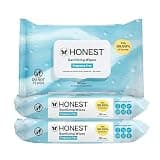
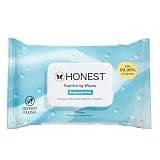
1. The Honest Company Sanitizing Wipes, Fragrance Free, 150ct: EWG VERIFIED®
The Honest Company's EWG VERIFIED® sanitizing wipes use an ethyl alcohol formula and are free of benzalkonium chloride, parabens, and phenoxyethanol. The 150-count canister is the home-use size, designed for kitchen counters, bathroom surfaces, and high-touch areas. Fragrance-free, which matters for households managing sensitivities or for use around infants.
EWG Status: EWG VERIFIED® (Skin Deep)
Active ingredient: Ethyl alcohol
Count: 150 wipes
Key free-froms: Benzalkonium chloride-free, paraben-free, phenoxyethanol-free, fragrance-free
Note: Not an EPA-registered disinfectant. Reduces germs; does not carry a "kills 99.9%" EPA label claim.
The Honest Company Sanitizing Wipes FF 150ct: Buy on Amazon ↗
2. The Honest Company Sanitizing Alcohol Wipes, Fragrance Free, 50ct: EWG VERIFIED®
The same EWG VERIFIED® formula as the 150-count, in a smaller 50-count pack. Made with aloe in addition to ethyl alcohol, which reduces skin dryness with repeated use. This is the portable or on-the-go size, easier to keep in a diaper bag, backpack, or car. Fragrance-free.
EWG Status: EWG VERIFIED® (Skin Deep)
Active ingredient: Ethyl alcohol
Count: 50 wipes
With aloe: Yes
Key free-froms: Benzalkonium chloride-free, paraben-free, fragrance-free
The Honest Company Sanitizing Wipes FF 50ct: Buy on Amazon ↗
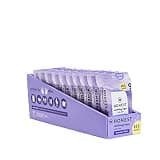
3. The Honest Company Sanitizing Alcohol Wipes, Lavender, 150ct: EWG VERIFIED®
For households that want a scented option, The Honest Company offers the same EWG VERIFIED® sanitizing formula with lavender scent. The 150-count canister matches the fragrance-free version in size and intended use. Suitable for the same household surfaces; the lavender scent makes it a more pleasant experience for some users while maintaining the same EWG VERIFIED® status.
EWG Status: EWG VERIFIED® (Skin Deep)
Active ingredient: Ethyl alcohol
Count: 150 wipes
Scent: Lavender
Key free-froms: Benzalkonium chloride-free, paraben-free
The Honest Company Sanitizing Wipes Lavender 150ct: Buy on Amazon ↗
When You Actually Need EPA-Registered Disinfection
There are situations where EPA-registered disinfection matters: confirmed illness in the household, immunocompromised family members, handling raw meat, or post-illness surface decontamination. For those situations, quat-based disinfectants or bleach wipes are the standard of care, and the tradeoff with EWG's ingredient ratings is one each household has to weigh.
For routine household cleaning and germ reduction during normal cold-and-flu season, the alcohol-based EWG VERIFIED® wipes above cover the practical use case most parents are describing when they search for non-toxic disinfecting wipes.
Frequently Asked Questions
Q: Are EWG VERIFIED® sanitizing wipes the same as disinfecting wipes?
No. EPA-registered disinfectants use quats or bleach and must pass specific pathogen-kill tests to carry the "kills 99.9%" claim. EWG VERIFIED® sanitizing wipes use ethyl alcohol and reduce germs without EPA disinfectant registration. Both reduce microbial burden, but only the EPA-registered product can legally claim to "disinfect" under federal standards.
Q: Do Clorox and Lysol wipes really score D or F on EWG?
Yes. EWG's Guide to Healthy Cleaning rates both brands D or F primarily due to quat compounds (benzalkonium chloride, dimethyl benzyl ammonium chloride) and concerns about undisclosed fragrance ingredients. You can check current ratings at ewg.org/cleaners.
Q: Is benzalkonium chloride in Clorox and Lysol wipes harmful?
EWG rates benzalkonium chloride as a high concern ingredient for respiratory sensitization, skin sensitization, and aquatic toxicity. EWG's ratings describe ingredient hazard profiles based on the available literature; they are not medical determinations. For households with young children or respiratory sensitivities, the EWG concern is worth factoring in.
Q: Why are all three EWG VERIFIED® wipes from the same brand?
The Honest Company is one of the few brands that has pursued EWG VERIFIED® status for sanitizing wipes in the alcohol-based format. The three products cover distinct use cases: home (150ct fragrance-free), on-the-go (50ct), and scented preference (150ct lavender). A second EWG-qualified alcohol wipe brand from a different manufacturer would strengthen this category, and we'll update this guide if one becomes available.