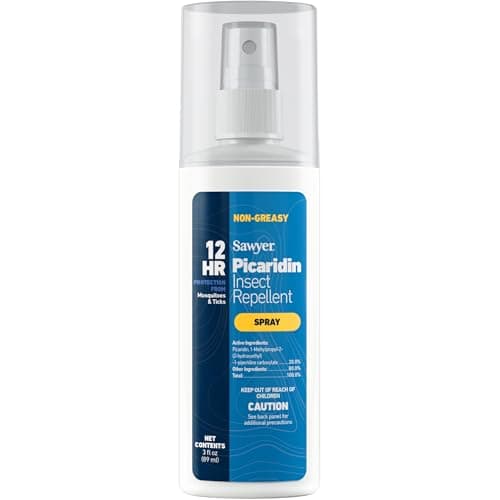
Top EWG-rated bug spray for kids: Sawyer Premium 20% Picaridin is our #1 pick — it uses EWG’s highest-recommended active ingredient, is odorless and non-greasy, and is EPA-registered for children 2 months and older (per label). See on Amazon →
Bug spray is one of the few personal care products that functions as a regulated pesticide — which means the EPA, not EWG, governs safety and efficacy claims. But EWG (the Environmental Working Group, an independent nonprofit) has published guidance on insect repellent ingredients, rating their hazard profiles and identifying lower-concern options for families. This guide explains EWG's recommendations and lists the top picks available on Amazon. We do not make disease-prevention claims — EPA registration governs those. NonToxicFinder is not affiliated with EWG.
Our Top Picks: EWG-Referenced Bug Sprays for Kids & Families
| Product | Active Ingredient | EWG Reference | Buy on Amazon |
|---|---|---|---|
| Sawyer Products Picaridin Insect Repellent (20%) | Picaridin (20%) | EWG: low-concern, effective alternative to DEET | Check price → |
How EWG Evaluates Bug Sprays (Their 2026 Recommendations)
EWG's consumer guide to bug repellents (ewg.org/consumer-guides/bug-repellents) evaluates insect repellent active ingredients on their hazard profiles and effectiveness. EWG's 2026 guidance identifies three main active ingredients it considers lower-concern and effective for families: Picaridin (up to 20%), IR3535 (up to 20%), and Oil of Lemon Eucalyptus (OLE). EWG also addresses DEET — noting it is effective and widely studied, but recommends the lowest effective concentration (≤10%) to minimize exposure.
EWG's Top Bug Repellent Ingredients for Kids (and Which to Avoid)
Picaridin — EWG's Top Recommendation
EWG rates Picaridin as the top choice for families based on its effectiveness and favorable hazard profile in their assessment. At concentrations up to 20%, Picaridin provides protection against mosquitoes, ticks, and other insects. It doesn't have the plasticizing properties of DEET (Picaridin won't damage gear or plastic surfaces) and is odorless. Sawyer Products Picaridin 20% is among the most recommended options on Amazon for families.
Oil of Lemon Eucalyptus (OLE) — EWG-Recommended Natural Alternative
OLE is the only plant-derived ingredient EWG identifies as providing meaningful protection comparable to lower-concentration DEET. OLE is EPA-registered as a repellent. Note: OLE is not the same as lemon eucalyptus essential oil — OLE is a processed version, and EWG specifically recommends OLE, not raw lemon eucalyptus essential oil, for repellent efficacy. EWG notes OLE should not be used on children under 3 years old. Repel Lemon Eucalyptus is a widely cited option.
IR3535 — Effective and Lower-Concern
IR3535 is an amino acid-based repellent that EWG rates as lower-concern than DEET. Less commonly found in mainstream products but available in some sprays. Effective against mosquitoes and ticks.
DEET — What EWG Actually Says
EWG does not recommend avoiding DEET entirely. Their consumer guide states: DEET "is a reasonable choice when used as directed" and is "low-concern when used per label instructions" at concentrations ≤10%. EWG's concern with DEET is primarily at high concentrations (30%+) and frequent use. For incidental use at low concentrations (7–10%), EWG considers it low-concern. We do not make safety guarantees about any repellent — EWG's ratings reflect hazard assessments, not clinical safety determinations.
Best EWG-Referenced Bug Sprays for Kids
Sawyer Products Premium Insect Repellent with 20% Picaridin, Pump Spray — EWG Recommended
Active Ingredient: Picaridin 20%
Sawyer's Picaridin pump spray is one of the most consistently recommended insect repellents in EWG's guidance. EWG rates Picaridin favorably and Sawyer's 20% concentration provides protection for hours. No DEET, no plasticizing effect, virtually odorless. EPA-registered. Around $8–12. Suitable for adults and children over 2 months (check current product label for age guidance). This is the top pick for families who want EWG's highest-rated repellent active ingredient.
Natural Bug Repellent Options: What EWG Actually Says
EWG's consumer guide is candid about plant-based essential oil repellents: most do not provide adequate protection for mosquitoes and ticks compared to picaridin, OLE, IR3535, or DEET. Citronella, peppermint, and cedarwood oils provide short-duration protection at best. EWG does not recommend essential oil-only repellents for tick protection in high-risk areas. For regions with significant tick or mosquito activity, an EPA-registered active ingredient (Picaridin or OLE) provides more reliable protection per EWG's guidance.
Frequently Asked Questions
What does EWG recommend for bug spray for kids?
EWG's consumer guide identifies Picaridin (up to 20%), IR3535 (up to 20%), and Oil of Lemon Eucalyptus as the lower-concern options for families. For young children, EWG recommends the lowest effective concentration. Always follow product label instructions for age minimums. EWG considers DEET low-concern at ≤10% when used per label — it does not recommend avoiding DEET entirely.
Is DEET safe for kids per EWG?
EWG states that DEET is "a reasonable choice when used as directed" and considers it low-concern at concentrations ≤10% per label instructions. EWG's concern is primarily with high concentrations (30%+) and overuse. EWG's ratings reflect hazard assessments — not clinical safety certifications. The American Academy of Pediatrics and CDC also provide insect repellent guidance for children; consult those resources and your pediatrician for medical advice.
Can I use essential oil bug spray instead of DEET or Picaridin?
EWG does not recommend essential oil-only repellents as primary protection in areas with significant tick or mosquito activity. Plant-based oils provide short-duration protection and limited efficacy against ticks specifically. For casual outdoor use with low insect pressure, they may be sufficient — but for camping, hiking, or areas with tick-borne illness risk, an EPA-registered active ingredient is the more reliable choice per EWG's guidance.
Planning outdoor activities with kids? Also see our guides to EWG-rated sunscreens for kids and non-toxic kids water bottles and lunch gear — more outdoor safety picks rated by EWG. If you’re building out a full newborn kit, our complete non-toxic baby registry guide covers all six essential EWG-evaluated categories in one organized checklist.
The Bottom Line
For EWG's top-recommended bug repellent for families, Sawyer Picaridin 20% is the leading choice — EWG rates Picaridin as their top recommendation, and Sawyer is the most cited brand. We do not make disease prevention claims — consult your pediatrician and the CDC for medical guidance on insect repellent use. We earn a commission on purchases through our links. NonToxicFinder is not affiliated with EWG.